Check out this article about our research at the Blue Oak Ranch Reserve. It gives a good description of what us crazy ecologists do for a living:
http://blueoakranchreserve.org/BORR/News_Blog/Entries/2011/7/15_Directors_BLOG_-_Summer_2011.html

Monday, July 25, 2011

Saturday, July 16, 2011
First Field Season Commences in the Mojave Desert
I love love love the desert. Sometimes I wish my field work was solely desert-based, but I am fortunate enough to work in several types of habitat. We arrived at the Desert Studies Center (just near the town of Baker) two days ago. It is surprisingly not as hot as I was expecting and it is as beautiful as ever.
Kangaroo rats are another small rodent species that display very specific anti-snake behaviors in which they approach snakes to within striking distance, jump back, and foot drum on the ground. We wish to record these interactions using our wireless surveillance system, but we first need to find a suitable study site. Thus, we are here looking for a site with abundant populations of both Desert Kangaroo Rats (Dipodomys deserti) and Sidewinders (Crotalus cerastes). Enjoy the pics below of the several species we have encountered so far and of our work here in the Mojave Desert.



Kangaroo rats are another small rodent species that display very specific anti-snake behaviors in which they approach snakes to within striking distance, jump back, and foot drum on the ground. We wish to record these interactions using our wireless surveillance system, but we first need to find a suitable study site. Thus, we are here looking for a site with abundant populations of both Desert Kangaroo Rats (Dipodomys deserti) and Sidewinders (Crotalus cerastes). Enjoy the pics below of the several species we have encountered so far and of our work here in the Mojave Desert.
The Green Machine alone in a vast desert

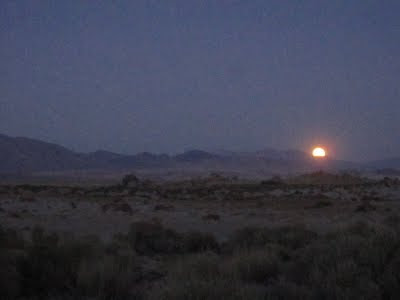
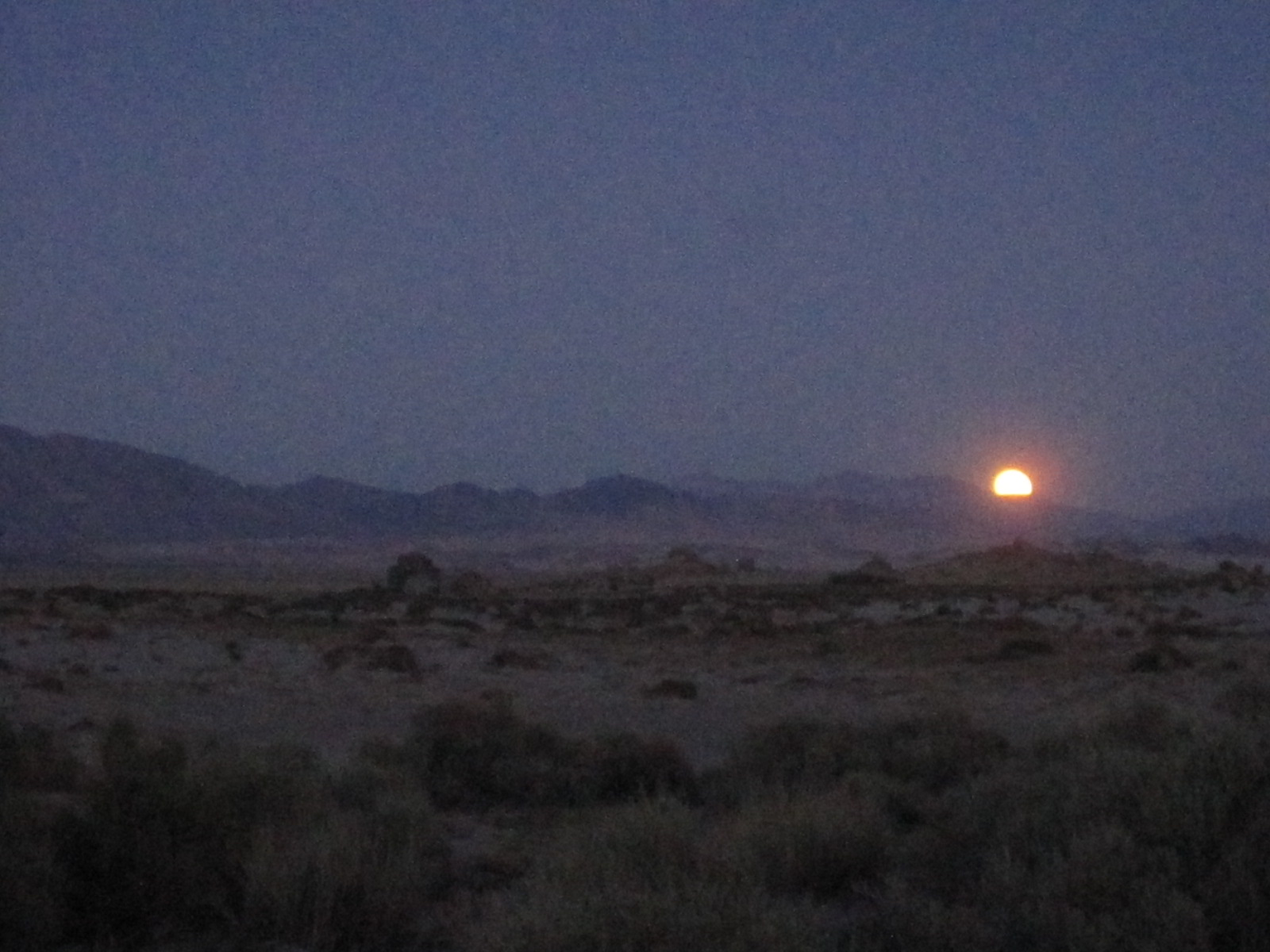
The moon rising
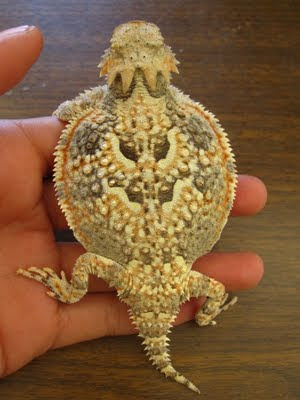
Desert Horned Lizard (Phrynosoma platyrhinos) One of my favorite species!
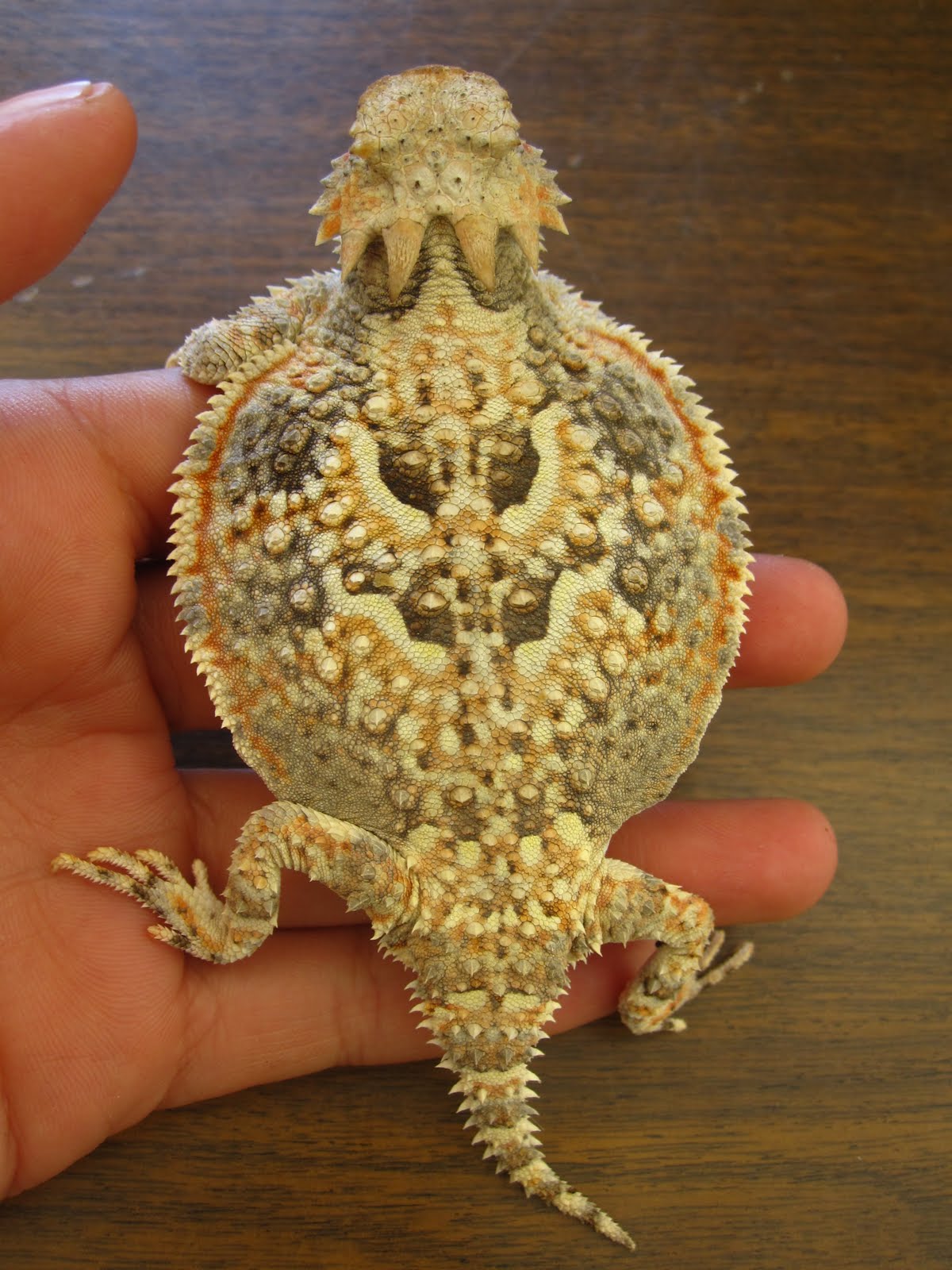
Its cute little head

Leaf nosed Snake (Phyllorhynchus decurtatus)-found two in one night!

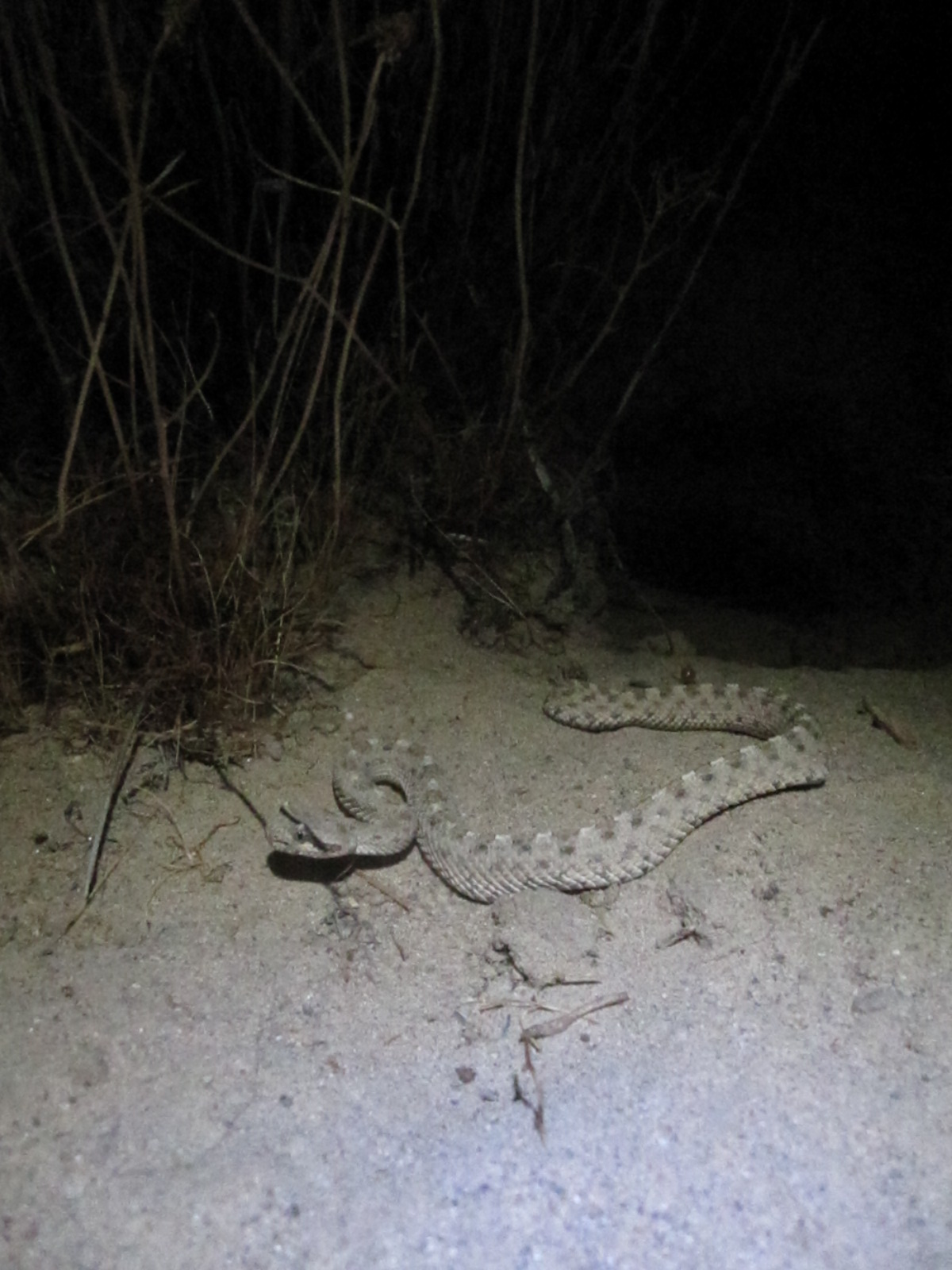
Baby sidewinder (frontal view)

Side view
External attachment of a transmitter on a subadult sidewinder (we glued sand onto it so it blends in)

Nice view of the supraocular scales (those protrusions above the eyes)

Tuesday, July 12, 2011
Bye Bye BORR :(
The squirrel pups are growing up and thus we are finished with our work at BORR. It was a great field season and I can never replace the awesome field assistants I had. I hope they learned a lot from their experience; I know they will go on to do great things. I will be leaving the reserve tomorrow, making a pit stop in San Diego, then it is off to the Mojave Desert for the rest of July. Continue to tune in, sidewinder and kangaroo rat interactions will be appearing shortly!


BORR 2011 group picture (including snake-buddies)
Sunday, July 10, 2011
BORR Species Accounts #2
As we wrap up our work at BORR, I would like to share with you the variety of animals we have seen. Several are "lifers" for me and some of my field assistants too. It appears that species diversity is high at BORR, probably because human presence is so reduced. Enjoy the animal photos below.
Funny looking pocket gopher

Garter Snake (Thamnophis elgans)

Striped Racer (Coluber lateralis)

Sharp-tailed Snake (Contia tenuis)

Some crazy-looking rodent we caught in a drift fence

Brewer's blackbird that got caught in a squirrel trap

Pacific Tree Frog (Pseudacris regilla)

Western Toad (Bufo boreus)

Ring-necked snake (Diadophis puntatus)


Western Yellow-bellied Racer (Coluber constrictor)

Western Fence Lizard (Sceloporus occidentalis)

Fence lizard blue bellies! (used for staking territory and attracting a mate)

Arboreal Salamander (Aneides lugubris)


Subscribe to:
Posts (Atom)