Now that the field season is over, data analysis begins! A preliminary skimming through the recordings has revealed great footage of rattlesnake-small mammal interactions. I have posted a "teaser video" of an adult squirrel interacting with a young male snake named "Death Star". Although we do not yet know the entire story behind this confrontation, it includes almost all antipredator behaviors exhibited by squirrels: approach, tail-flagging, substrate throwing, and alarm calling. This video also provides an example of the footage we gather from our labored hours during the summer field season.

Monday, September 26, 2011

Tuesday, July 26, 2011
Sidewinders and Kangaroo Rats
We have been trying with great effort to catch sidewinders, but it is hard! We set up drift fence traps (see below) but those didn't work. We also have been scanning the landscape for the past week hoping to stumble across one or see their tracks in the sand. Still, not much luck. So far we only have caught 8 snakes, but only four were big enough to implant transmitters into. This means that, as of right now, we have a sample size of 4 individuals--not great. Hopefully, this summer's experience will teach us lessons for next year's work.
Drift fence trap--we made a "fence" using cloth and wooden stakes, and at each end we positioned a trap. The idea is that animals run along the fence until they reach the trap where they hopefully enter it without realizing that it is a trap. We have caught mostly lizards in the traps, but no sidewinders.

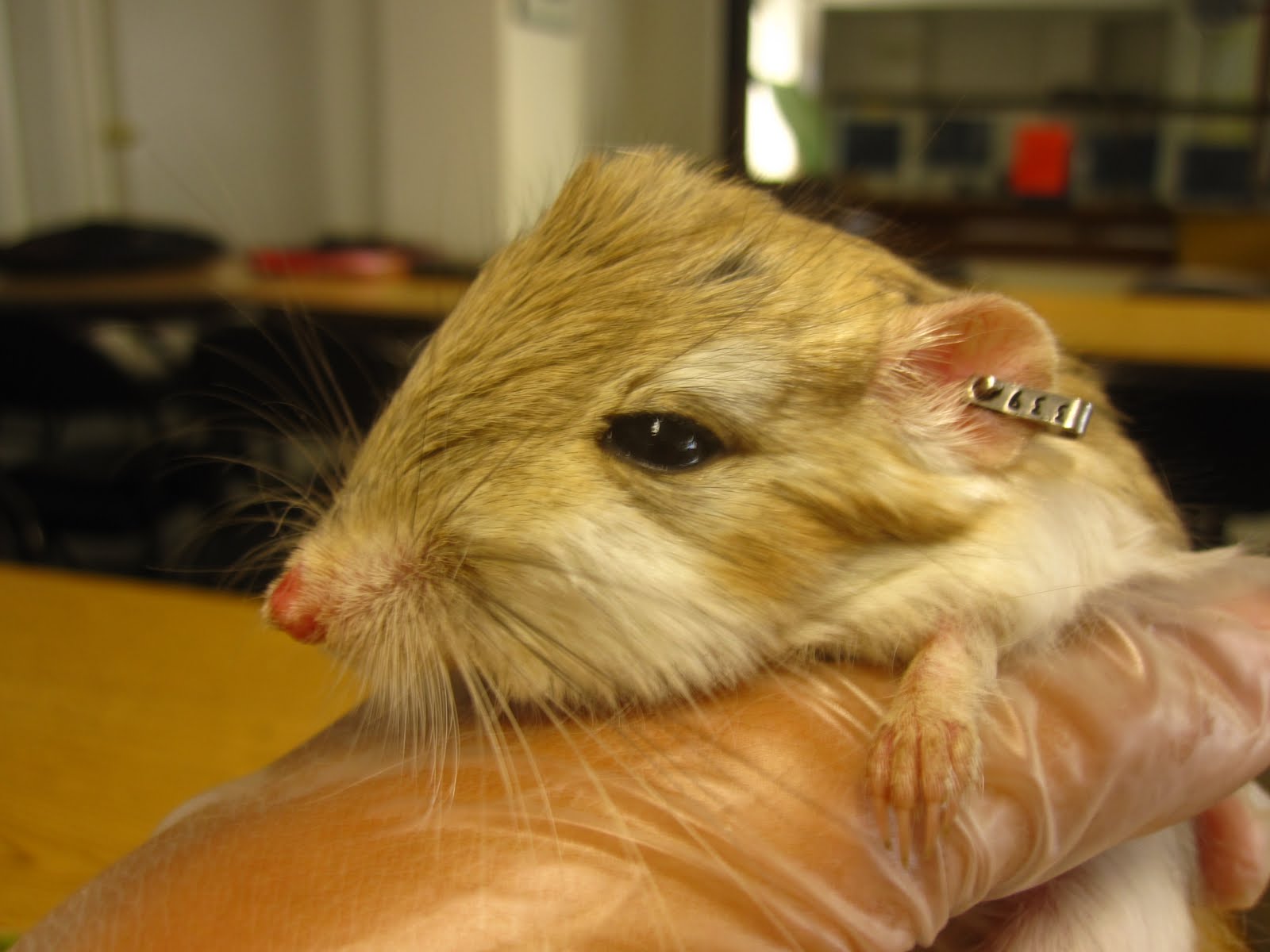
We also have been trapping desert kangaroo rats. We inserted metal tags into their ears and dye-marked their fur. Like with the squirrels, this will help us ID individuals. They are much more docile (and cute) than the ground squirrels.
Field assistant, Curt, holding a desert kangaroo rat that is about to be processed

Rulon measuring the rat

Its cute little face, much cuter than the squirrels
As of today, we are continuously monitoring the behaviors of our four 'winders. Using the wireless network security cameras, we hope to capture interactions between kangaroo rats and snakes. Such interactions have never been recorded. This makes this study system particularly interesting (in that we know very little about these predator-prey relationships).
Sidewinder we came across in ambush position

Can you spot the snake in this picture?

We tracked one snake, Butch Cassidy, to a burrow that he has clearly been hunting near. Can you see the disk-like impressions in the sand above the burrow where he has been sitting in ambush?

Video of a winder, winding
Monday, July 25, 2011
"Snakes in the Grass" article
Check out this article about our research at the Blue Oak Ranch Reserve. It gives a good description of what us crazy ecologists do for a living:
http://blueoakranchreserve.org/BORR/News_Blog/Entries/2011/7/15_Directors_BLOG_-_Summer_2011.html
http://blueoakranchreserve.org/BORR/News_Blog/Entries/2011/7/15_Directors_BLOG_-_Summer_2011.html
Saturday, July 16, 2011
First Field Season Commences in the Mojave Desert
I love love love the desert. Sometimes I wish my field work was solely desert-based, but I am fortunate enough to work in several types of habitat. We arrived at the Desert Studies Center (just near the town of Baker) two days ago. It is surprisingly not as hot as I was expecting and it is as beautiful as ever.
Kangaroo rats are another small rodent species that display very specific anti-snake behaviors in which they approach snakes to within striking distance, jump back, and foot drum on the ground. We wish to record these interactions using our wireless surveillance system, but we first need to find a suitable study site. Thus, we are here looking for a site with abundant populations of both Desert Kangaroo Rats (Dipodomys deserti) and Sidewinders (Crotalus cerastes). Enjoy the pics below of the several species we have encountered so far and of our work here in the Mojave Desert.



Kangaroo rats are another small rodent species that display very specific anti-snake behaviors in which they approach snakes to within striking distance, jump back, and foot drum on the ground. We wish to record these interactions using our wireless surveillance system, but we first need to find a suitable study site. Thus, we are here looking for a site with abundant populations of both Desert Kangaroo Rats (Dipodomys deserti) and Sidewinders (Crotalus cerastes). Enjoy the pics below of the several species we have encountered so far and of our work here in the Mojave Desert.
The Green Machine alone in a vast desert

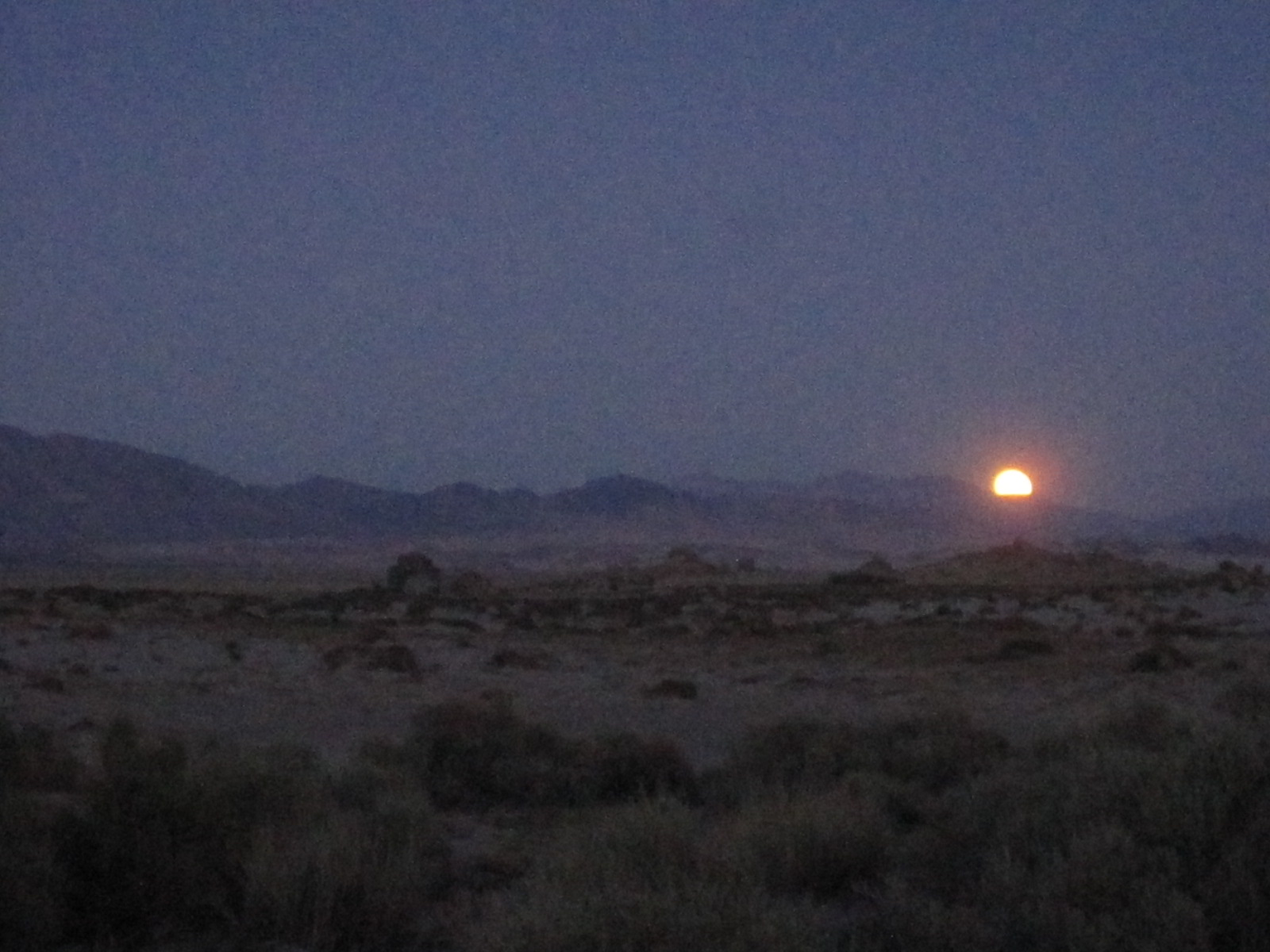
The moon rising
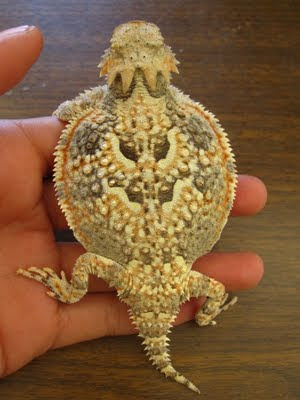
Desert Horned Lizard (Phrynosoma platyrhinos) One of my favorite species!
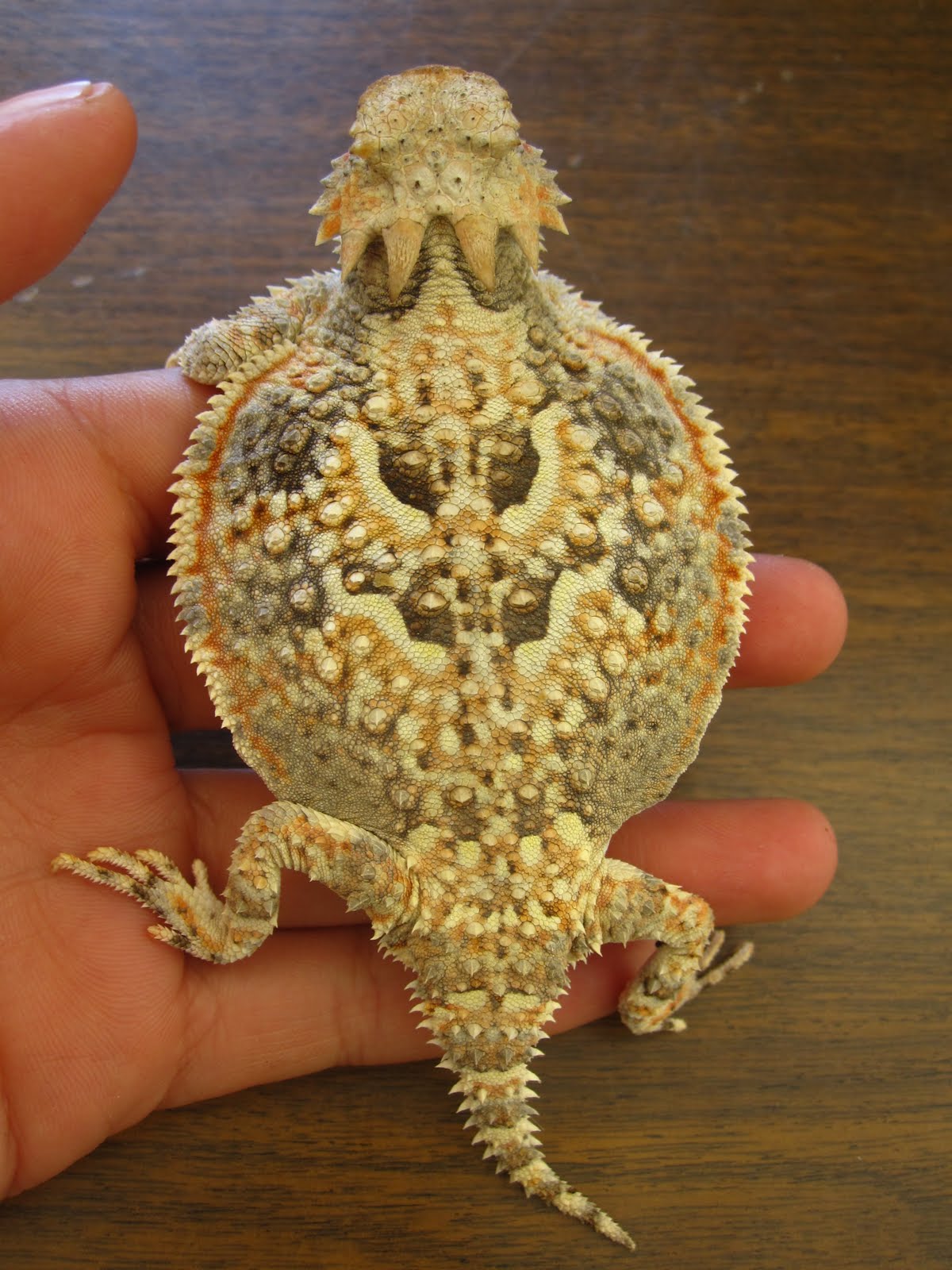
Its cute little head

Leaf nosed Snake (Phyllorhynchus decurtatus)-found two in one night!

Baby sidewinder (frontal view)

Side view
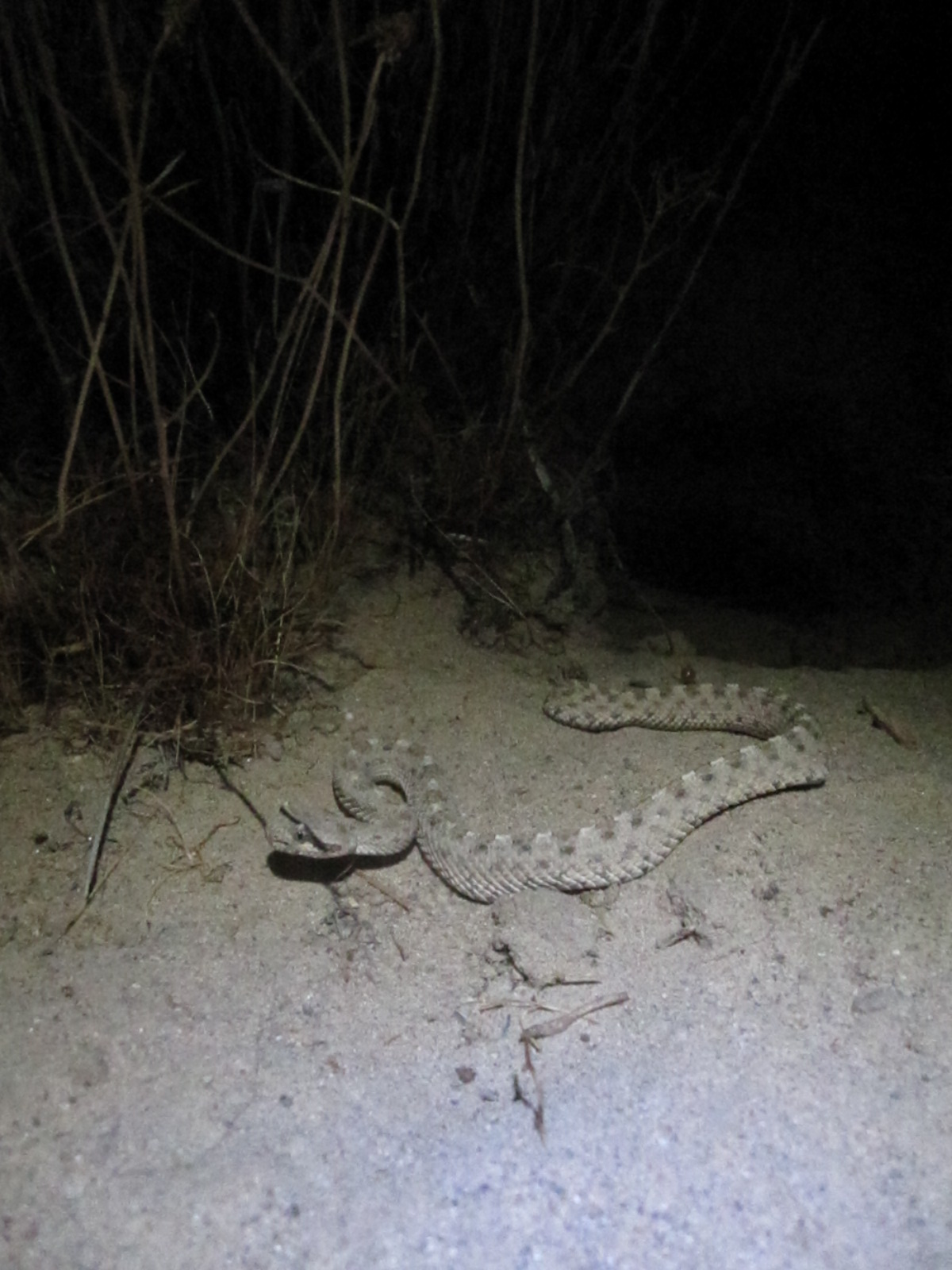
External attachment of a transmitter on a subadult sidewinder (we glued sand onto it so it blends in)

Nice view of the supraocular scales (those protrusions above the eyes)

Subscribe to:
Posts (Atom)